
Welcome
Becky Ramsey | Author & Children’s Minister
Children's Sermons
Discover children’s sermons, or search our sermon directory

What is Godly Play?
According to the Godly Play Foundation, Godly Play is a creative and imaginative approach to Christian nurture.
Godly Play is about understanding how each of the stories of God’s people connects with the child’s own experience and relationship with God.
Godly Play respects the innate spirituality of children and encourages curiosity and imagination in experiencing the mystery and joy of God.
Read more about Godly Play here.
How do we do Godly Play at First Baptist Greenville?
Christians of many different denominations use Godly Play and probably do it differently, even within the same denomination. In this blog, I describe Godly Play by sharing the way our church does it. That doesn’t mean that it’s the best way or the prescribed way, or the only way, of course, but it’s the way that suits us best.
What are we here for?
We meet here to talk about Godly Play, to share what it’s all about and to discuss how to do it better.
The weekly blog posts are designed to help Sunday school teachers prepare for their Godly Play lessons, and the individual pages (see the tabs at the top of this page) share information about how we do Godly Play at First Baptist Church, Greenville, SC.
We’d love to hear from teachers everywhere, not just the ones at our church! We hope you’ll join our circle and share your ideas!
What Godly Play is Not
Godly Play is quite different from the traditional model in which the teacher tells the children what they need to know. Godly Play is not about things that are that simple. It is not just about learning lessons or keeping children entertained. It is about locating each lesson in the whole system of Christian language and involving the creative process to discover the depths of meaning in them.
Jesus Gives the Sermon on the Mountain
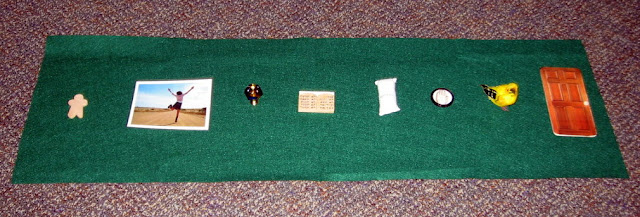 Welcome to Jesus Gives the Sermon on the Mountain, the story for January 24 from Matthew 5-7. We’re currently sharing our stories via Zoom, while the pandemic is still keeping us home.
I love this story because the sermon covers so much territory–and because Jesus’ words are so poetic and full of images which children can understand. I also like it because he clearly illustrates how different his ideas were. (His message on the ten commandments, for example, that obeying the commandments was not enough…that we’re called to do more than they ask.) And I like that teachers can focus in the expression time on whichever part of the sermon that interests individual children.How do I love this scripture as a story for children? Let me count the ways…
*Our creative time works best when the child feels ownership over his own work–that it comes from the child’s ideas and is merely inspired by the ideas we share to get them started.
Here are some ideas from which they can springboard. I’m sure you can add even better ones. Please feel free to share in the comments.
1. The children could make their own Godly Play set of the sermon, either by drawing it out or making three dimensional pieces from clay or paper or other materials–the door, the bird, the pack, the commandments, etc. Encourage the children to retell what they remember from the sermon.
2. The class could divide up the sermon and each child (or pair of children) could illustrate one part. This would make a great bulletin board for our hallway or a nice mural for the room.
3. The kids could each pick their favorite part of the sermon and reproduce it in some way.
 |
|
| Some of the fifth graders made a mural for the beatitudes. |
 |
| Look at the birds of the air, they don’t sow or reap or stow away in barns… |
4. The children could play charades, each acting out a part of the sermon. The other children would have to guess what part they were playing.
5. You could help the children focus on the Beatitudes, assigning the beatitudes out to the kids to illustrate. (Matthew 5:3-12)
6. If you focus on the lamp, you could find photos of lamps in magazines to make a collage. Children could copy the scripture about being the light of the world (Matthew 5:14-16) at the bottom and write a sentence about what that means to them.
7. Children could focus on the commandments and Jesus’ words to do more than they ask. Children could illustrate this.
8. What does it mean to be generous? (Matthew 5:38-42) Children could illustrate this with drawings or acting it out.
9. Children could focus on the Lord’s prayer by copying it and practicing saying it. (Matthew 6: 9-13) Asking the children to illustrate each line of the prayer would ensure that they understand it. For younger children, teachers could photocopy the prayer in a large font, cut out the individual lines, and have the children arrange them in the right order and illustrate each one. If you wanted to do this in a grand scale, you could ask each child to illustrate one line, and then hang this in your classroom–the words and their illustrations.
10. Children could also illustrate someone praying like Jesus taught them to pray, in a quiet room, away from others. They could draw their own bedrooms, showing where they pray.
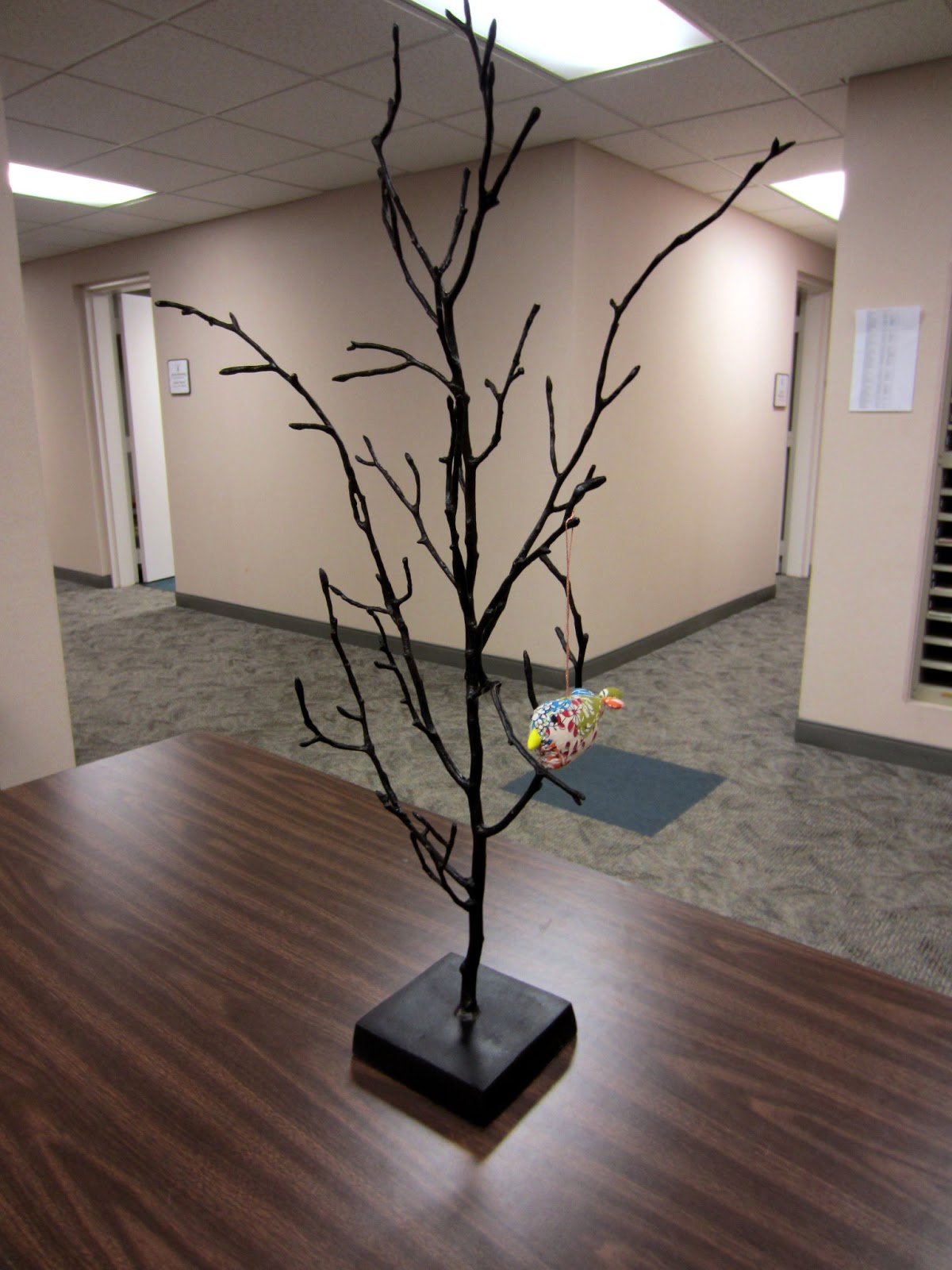 11. Why not have the children make a bird collage and copy the verse about birds and worrying? (Matthew 6:25-27) Or make a bird for the tree we have in our hallway? That would be great! You could cut simple birds out of different colored paper (decorated however the kids like) and hang them with string, like these from Family Fun:


The children could write the Bible verse on the back, Look at the birds. They don’t plant, harvest, or save food in barns, but your heavenly Father feeds them. Matthew 6:26. Or they could write the verse in their own wording.
Or use the simple template shared here to make the birds.
12. The golden rule is something the children surely know. It’s good that children see where it comes from. Why not write it out (Matt 7:12) and then illustrate it in some way?
13. The class could draw a mural of each child sitting at Jesus’s feet as he taught from the hillside
Our VBS for 2017 was all about the Sermon on the Mount, which might explain why I have two Pinterest boards about it, here and here. As far as what the kids did recently at FBGreenville, we made lighthouses and painted wooden birdhouses. 
There’s so much richness to this sermon. Enjoy!